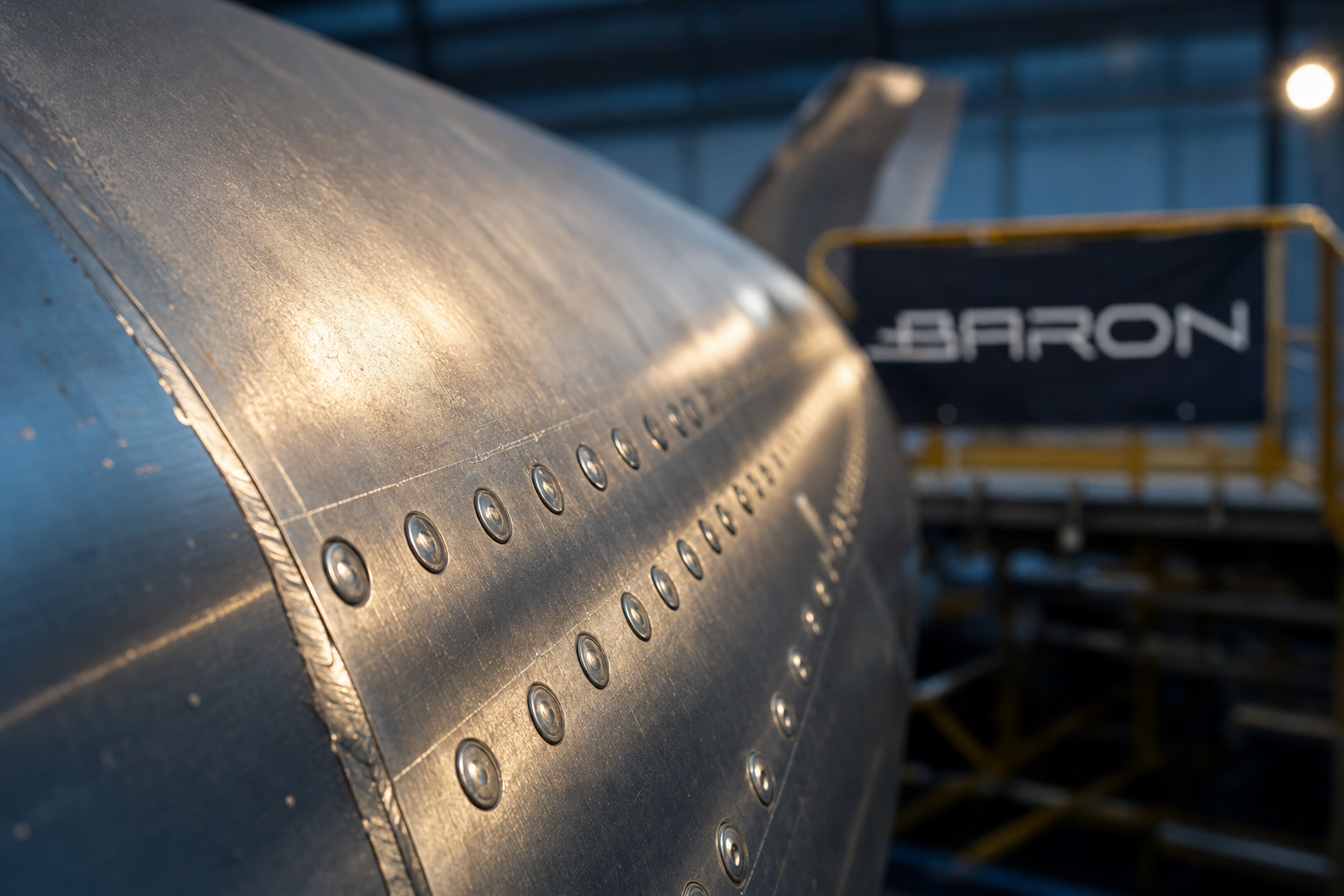
NDT services, or Non-Destructive Testing services, involve techniques used to evaluate the properties of a material, component, or structure without causing damage. These services are crucial for ensuring safety and compliance in industries like aviation and manufacturing.
What is NDT used in the aerospace industry?
NDT, or Non-Destructive Testing, is used in the aerospace industry to inspect aircraft components and structures for defects without causing damage, ensuring safety, reliability, and compliance with stringent regulatory standards.
How much does a NDT inspector get paid in Florida?
The salary of a NDT inspector in Florida typically ranges from $50,000 to $75,000 annually, depending on experience, certifications, and the specific industry they work in.
What are the levels of NDT in aviation?
The levels of NDT in aviation are categorized into three primary stages: Level I technicians perform basic inspections; Level II technicians conduct more complex assessments and interpretations; and Level III personnel oversee operations, ensuring compliance and quality management.
What equipment is used for NDT?
The equipment used for NDT includes ultrasonic testers, radiographic systems, magnetic particle testers, eddy current devices, and visual inspection tools, all designed to detect defects without damaging the material.
How does NDT ensure aviation safety?
Non-Destructive Testing (NDT) ensures aviation safety by detecting material flaws and structural integrity issues without damaging components, thereby preventing catastrophic failures and ensuring compliance with strict safety regulations throughout the lifecycle of aircraft.
What industries utilize NDT services?
Various industries utilize NDT services, including aviation, aerospace, manufacturing, oil and gas, and construction. These sectors rely on NDT to ensure safety, compliance, and integrity of materials and structures without compromising their functionality.
What certifications are needed for NDT?
The certifications needed for NDT include the American Society for Nondestructive Testing (ASNT) Level I, II, or III certifications, along with specific industry certifications like those from the Federal Aviation Administration (FAA) for aviation applications.
What are common NDT techniques used?
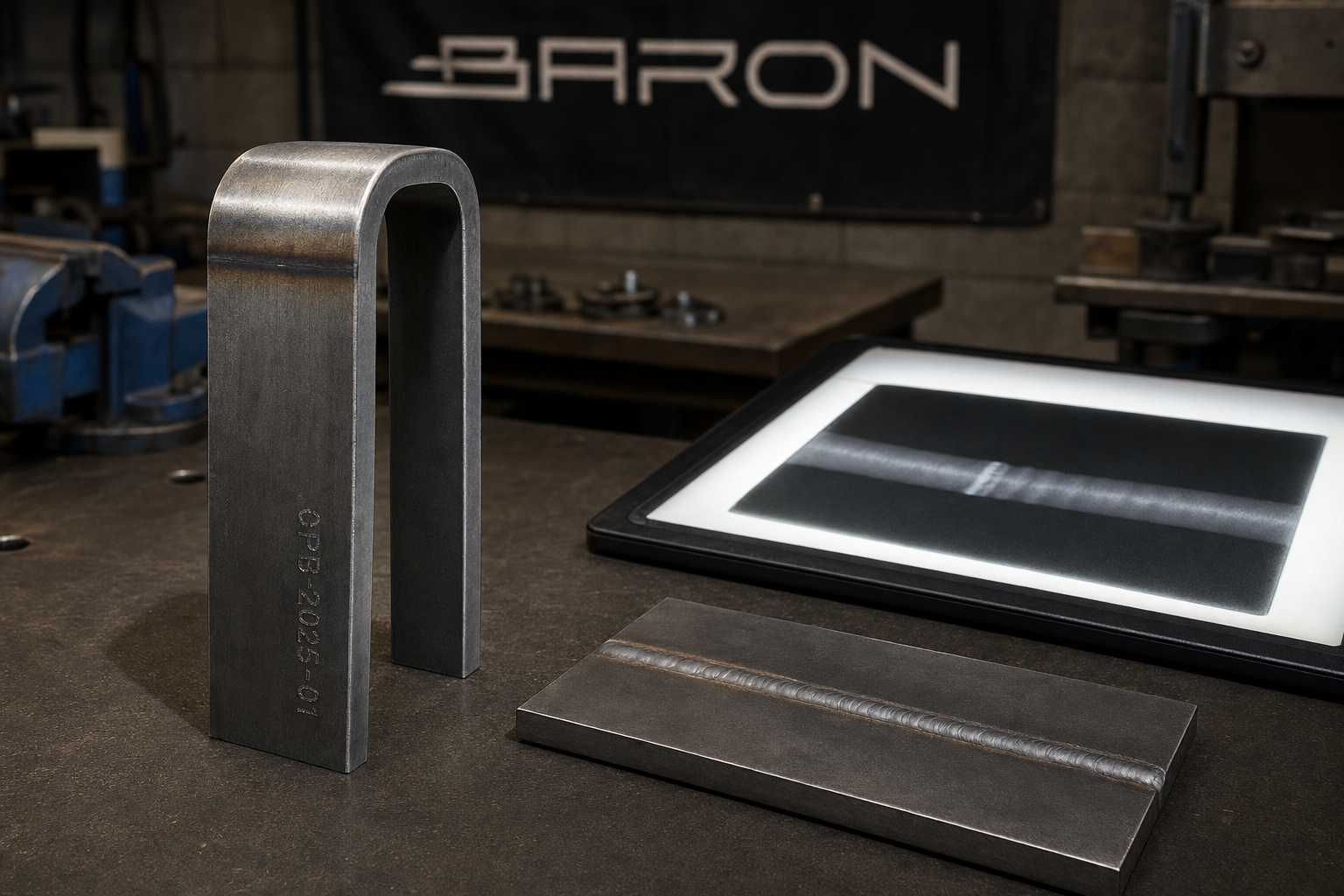
Common NDT techniques used include ultrasonic testing, radiographic testing, magnetic particle testing, and dye penetrant testing. These methods help detect defects in materials without causing damage, ensuring safety and compliance in various industries.
How often should NDT inspections occur?
The frequency of NDT inspections should be determined based on industry regulations, the specific application, and the materials involved. Regular intervals, often annually or biannually, are recommended to ensure safety and compliance.
What is the role of NDT in manufacturing?
The role of NDT in manufacturing is to ensure the integrity and safety of materials and components by detecting defects without causing damage. This process helps maintain quality standards and compliance, thereby increasing safety and reliability in manufacturing operations.
How does NDT contribute to quality assurance?
NDT significantly contributes to quality assurance by enabling the detection of defects and irregularities in materials without causing damage. This proactive approach ensures that products meet safety standards and operational reliability, ultimately enhancing overall quality and compliance in various industries.
What training is required for NDT professionals?
Training for NDT professionals typically includes formal education in engineering or a related field, followed by specialized certification in various NDT methods such as ultrasonic testing, radiographic testing, or magnetic particle inspection.
What is the history of NDT applications?
The history of NDT applications dates back to the early 20th century, initially used in the aviation industry to detect flaws in materials without causing damage, subsequently expanding into various sectors including manufacturing and construction for ensuring safety and compliance.
What challenges exist in NDT inspections?
The challenges that exist in NDT inspections include limitations in detecting certain material flaws, the necessity for highly trained personnel, environmental conditions affecting testing outcomes, and the need for advanced technology to ensure accurate results.
How can NDT detect material flaws?
NDT can detect material flaws through various techniques such as ultrasonic testing, magnetic particle inspection, and radiographic testing, which utilize sound waves, magnetic fields, and radiation to identify irregularities without damaging the material.
What advancements are shaping NDT technology?
Advancements shaping NDT technology include the integration of artificial intelligence and machine learning for data analysis, the development of advanced materials for better inspection capabilities, and the use of digital ultrasonic testing for increased accuracy and efficiency.
How is NDT performed on aircraft?
NDT on aircraft is performed using techniques such as ultrasonic testing, radiographic testing, and magnetic particle testing. These methods detect defects without damaging the aircraft, ensuring safety and compliance throughout its operational life.
What are the benefits of NDT services?
The benefits of NDT services include enhanced safety, cost savings, and compliance with industry regulations. By detecting flaws without sacrificing the integrity of the materials, NDT helps prevent failures, ensuring operational reliability in aviation and industrial sectors.
How does NDT impact product reliability?
NDT significantly enhances product reliability by identifying material defects and structural inconsistencies without damaging the product. This proactive approach ensures safety, compliance, and longevity, ultimately leading to reduced failure rates and increased confidence in performance.
What regulations govern NDT practices?
Regulations governing NDT practices include standards set by organizations such as the American Society for Non-Destructive Testing (ASNT), industry-specific guidelines from the Federal Aviation Administration (FAA), and compliance with the American National Standards Institute (ANSI) regulations.
What is the future of NDT in aerospace?
The future of NDT in aerospace involves the integration of advanced technologies such as artificial intelligence and digital imaging, enhancing inspection accuracy and efficiency while ensuring safety and regulatory compliance in aviation operations.
How do NDT services enhance operational efficiency?
NDT services enhance operational efficiency by identifying potential issues before they escalate, minimizing downtime and maintenance costs. This proactive approach ensures machinery and structures operate at optimal levels, leading to increased productivity and safety in aviation and industrial sectors.
What factors influence NDT pricing structures?
Factors that influence NDT pricing structures include the complexity of the inspection, type of testing methods used, material characteristics, project location, and the time required to complete the service.
What methods ensure quality control in NDT?
Quality control in NDT is ensured through standard operating procedures, regular equipment calibration, personnel training and certification, along with systematic data analysis and reporting to maintain accuracy and reliability in test results.
How can NDT services reduce maintenance costs?
NDT services can effectively reduce maintenance costs by identifying potential issues before they escalate into major failures, ensuring timely repairs and minimizing unscheduled downtime. This proactive approach enhances asset longevity and operational efficiency in aviation and industrial applications.
What should clients know about NDT services?
Clients should know that NDT services are essential for ensuring the safety and integrity of materials and structures without causing damage. These services are crucial in aviation and industrial sectors for compliance with safety standards and regulations.
How do environmental factors affect NDT accuracy?
Environmental factors significantly impact NDT accuracy. Variables such as temperature, humidity, and electromagnetic interference can introduce measurement errors or affect the equipment's performance, potentially compromising the reliability of testing results.
What role does NDT play in safety compliance?
The role of NDT in safety compliance is crucial as it identifies potential defects in materials and structures without causing damage. This ensures regulatory adherence and enhances the safety of operations, particularly in aviation and industrial sectors.
How is NDT integrated into manufacturing processes?
NDT is integrated into manufacturing processes by utilizing various techniques to assess materials and components without causing damage, ensuring quality control, safety, and compliance throughout production, thereby enhancing overall operational efficiency and reliability.
Non-Destructive Testing (NDT) refers to a range of analysis techniques used to evaluate the properties of a material, component, or system without causing damage. NDT is essential in various industries, including aviation, manufacturing, and construction, as it ensures the integrity and safety of critical components.
Common NDT methods include ultrasonic testing, radiographic testing, magnetic particle testing, and dye penetrant testing. Each method offers unique advantages and is suited for different applications, helping companies maintain compliance with safety regulations while minimizing costs associated with material failure.
The Importance of NDT in Aviation Safety
In the aviation industry, Non-Destructive Testing plays a crucial role in ensuring the safety and reliability of aircraft. Regular NDT inspections help identify potential issues before they lead to catastrophic failures, thereby safeguarding passengers and crew.
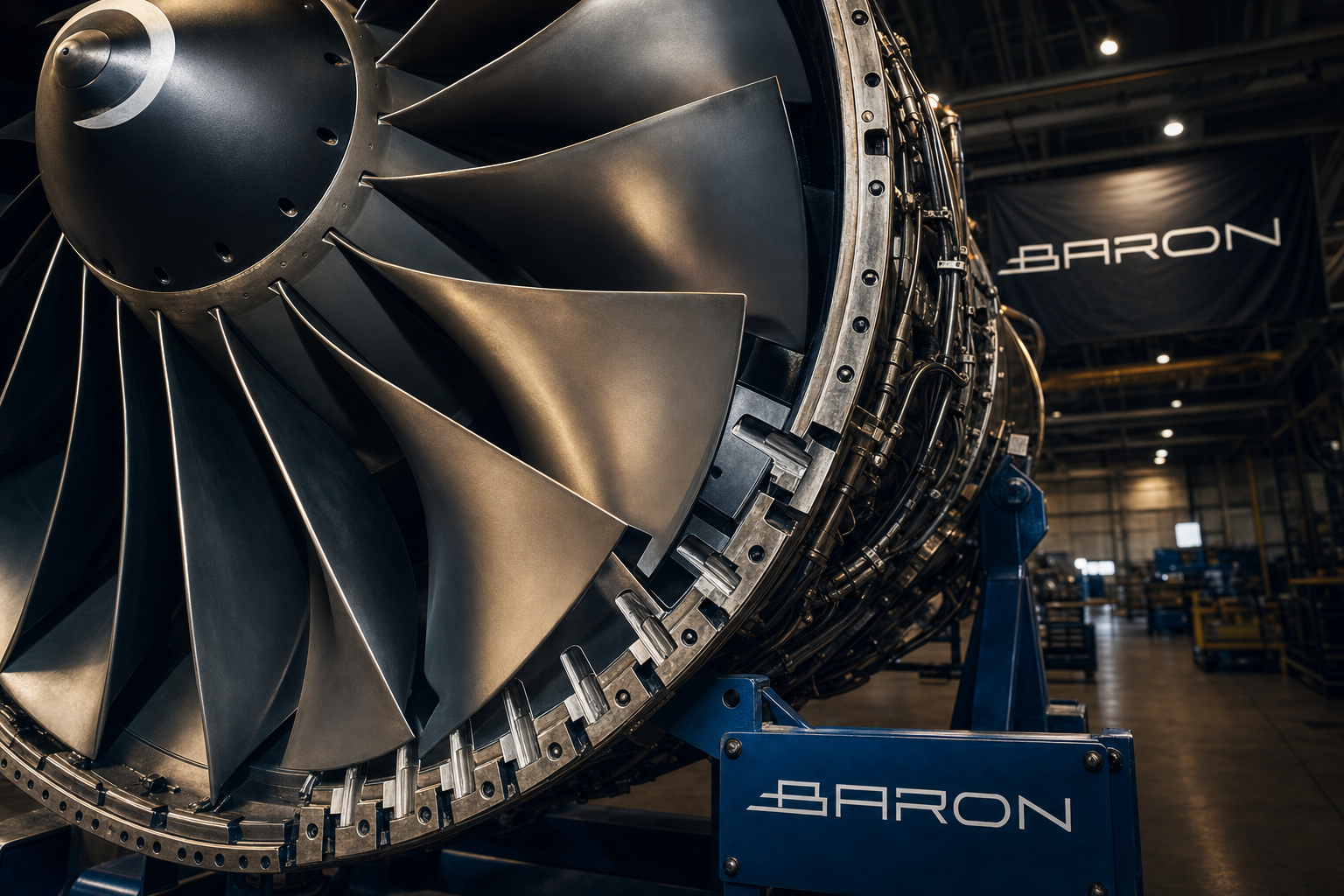
Techniques such as eddy current and ultrasonic testing are frequently used to inspect critical aircraft components, including wings, fuselage, and engine parts. By adhering to stringent NDT standards, aviation companies can enhance safety and maintain regulatory compliance, ultimately promoting public trust in air travel.
Innovations in NDT Technology
The field of Non-Destructive Testing is continually evolving, with advancements in technology enhancing the efficiency and accuracy of inspections. Innovations such as automated ultrasonic testing systems and advanced imaging techniques are transforming how inspections are conducted across industries.
These technological advancements not only improve detection capabilities but also reduce inspection times and costs. Companies that embrace these innovations can gain a competitive edge by providing faster, more reliable NDT services, ultimately leading to better safety outcomes and increased customer satisfaction.
Choosing the Right NDT Service Provider
Selecting a qualified NDT service provider is essential for ensuring high-quality inspections that meet industry standards. Factors to consider include the provider's certifications, experience, and the range of NDT methods they offer.
It's also important to assess the provider's commitment to ongoing training and technological advancements, as these elements contribute to the reliability of their services. By partnering with a reputable NDT company, businesses can ensure that they receive accurate and timely inspections, minimizing risks associated with material failure.