7 Ways Ultrasonic Inspection Enhances Safety in Industrial Operations
Share
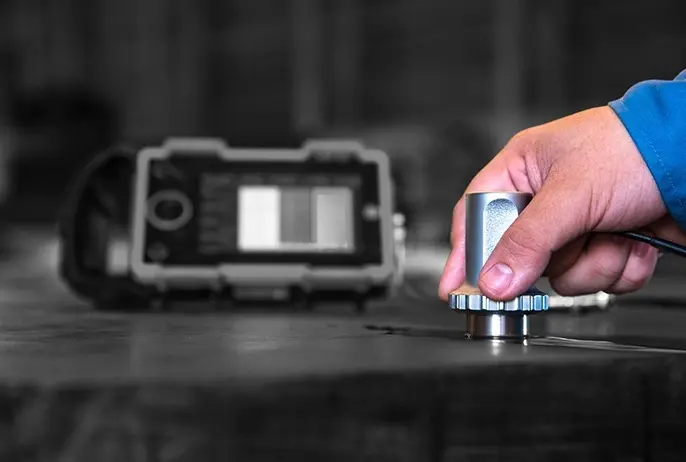
Nondestructive Testing (NDT) lets manufacturers probe critical assets without disassembly, keeping plants safe and productive. Ultrasonic inspection—one of the most versatile NDT methods—detects hidden flaws, prevents downtime, and meets global safety standards.
1. Non-Invasive Material Assessment with Nondestructive Testing
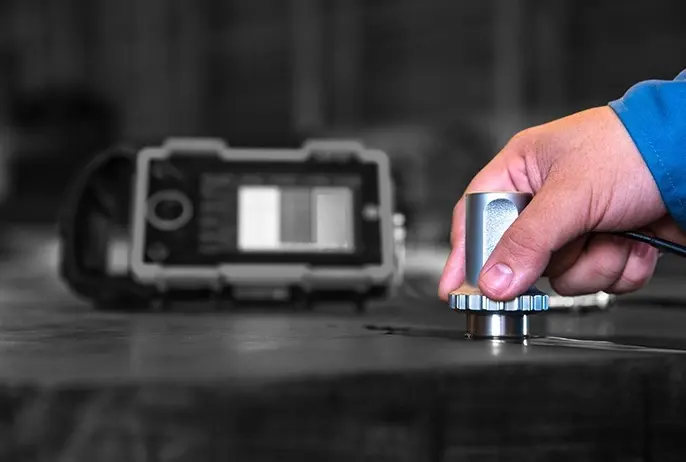
Ultrasonic probes qualified to ISO 9712 send high-frequency waves through metals, revealing cracks while preserving integrity. The IAEA NDT syllabus explains how civil-engineering teams adapt these techniques for bridges and dams.
2. Early Failure Detection
Oil-and-gas firms follow API RP 1176 to catch pipeline micro-cracks before leaks. Our industrial NDT services mirror those guidelines, scheduling weld repairs before failures escalate.
3. Verifying Structural Integrity
Ultrasonic echoes expose weak welds so engineers can satisfy FEMA 353 seismic quality criteria. Pair these scans with our visual inspection tips for full-spectrum assurance.
5. Enhancing Worker Safety through Nondestructive Testing
OSHA rule 1919.78 allows ultrasonic checks in lieu of teardown, protecting crews while certifying cranes and pressure vessels.
6. Cost-Effective Risk Management
The DOE predictive-maintenance guide shows NDT-based programs save 8–12 % on life-cycle costs by avoiding reactive repairs.
7. ASTM-Backed Versatility for NDT Programs
ASTM E1316 standardizes terminology so ultrasonic procedures translate seamlessly from shipyards to petrochemical plants, reinforcing the value of nondestructive testing across industries.
By embedding Nondestructive Testing into daily operations, companies safeguard assets, protect workers, and maintain production—proving safety and productivity can rise together.
bridges ndt, ultrasonic inspection for industrial turbines, ndt testing, ultrasonic nondestructive testing, ndt operations, ultrasonic quality inspection in the production process
Understanding Ultrasonic Inspection Technology
Ultrasonic inspection technology utilizes high-frequency sound waves to detect internal flaws in materials without causing any damage. This method is particularly effective in assessing the integrity of metals, composites, and other materials used in critical industrial applications.
By sending ultrasonic waves through a material, operators can identify inconsistencies such as cracks, voids, or inclusions that may compromise safety. This technology not only enhances operational reliability but also minimizes the risk of catastrophic failures that could endanger personnel and equipment.
Applications of Ultrasonic Inspection in Various Industries
Ultrasonic inspection is employed across a wide range of industries, including aerospace, automotive, manufacturing, and energy. Each sector leverages this versatile technique to ensure the quality and safety of their products and infrastructures.
For example, in the aerospace industry, ultrasonic testing is crucial for inspecting aircraft components to prevent failures during flight. Similarly, in the oil and gas sector, it is used to monitor the integrity of pipelines and storage tanks, ensuring compliance with safety regulations and preventing environmental hazards.
Regulatory Compliance and Standards in Ultrasonic Testing
Adhering to regulatory compliance and industry standards is vital for the successful implementation of ultrasonic inspection. Organizations must follow guidelines set by bodies such as ASTM and ISO to ensure that their testing procedures meet safety and quality benchmarks.
These standards not only help in maintaining uniformity in testing methods but also enhance the credibility of the inspection results. Compliance with such regulations ensures that companies can confidently demonstrate the safety and reliability of their operations to stakeholders and regulatory agencies.
Future Trends in Nondestructive Testing Technologies
The field of nondestructive testing is rapidly evolving, with advancements in technology leading to more efficient and effective inspection methods. Innovations such as automated ultrasonic testing and the integration of artificial intelligence are transforming how inspections are conducted.
These developments promise to improve accuracy, reduce inspection times, and enhance data analysis capabilities. As industries continue to prioritize safety and operational efficiency, these future trends in NDT technologies will play a crucial role in shaping the landscape of industrial inspections.
bridges ndt, ultrasonic inspection for industrial turbines, ndt testing, ultrasonic nondestructive testing, ndt operations, ultrasonic quality inspection in the production process
Understanding Ultrasonic Inspection Technology
Ultrasonic inspection technology utilizes high-frequency sound waves to detect internal flaws in materials without causing any damage. This method is particularly effective in assessing the integrity of metals, composites, and other materials used in critical industrial applications.
By sending ultrasonic waves through a material, operators can identify inconsistencies such as cracks, voids, or inclusions that may compromise safety. This technology not only enhances operational reliability but also minimizes the risk of catastrophic failures that could endanger personnel and equipment.
Applications of Ultrasonic Inspection in Various Industries
Ultrasonic inspection is employed across a wide range of industries, including aerospace, automotive, manufacturing, and energy. Each sector leverages this versatile technique to ensure the quality and safety of their products and infrastructures.
For example, in the aerospace industry, ultrasonic testing is crucial for inspecting aircraft components to prevent failures during flight. Similarly, in the oil and gas sector, it is used to monitor the integrity of pipelines and storage tanks, ensuring compliance with safety regulations and preventing environmental hazards.
Regulatory Compliance and Standards in Ultrasonic Testing
Adhering to regulatory compliance and industry standards is vital for the successful implementation of ultrasonic inspection. Organizations must follow guidelines set by bodies such as ASTM and ISO to ensure that their testing procedures meet safety and quality benchmarks.
These standards not only help in maintaining uniformity in testing methods but also enhance the credibility of the inspection results. Compliance with such regulations ensures that companies can confidently demonstrate the safety and reliability of their operations to stakeholders and regulatory agencies.
Future Trends in Nondestructive Testing Technologies
The field of nondestructive testing is rapidly evolving, with advancements in technology leading to more efficient and effective inspection methods. Innovations such as automated ultrasonic testing and the integration of artificial intelligence are transforming how inspections are conducted.
These developments promise to improve accuracy, reduce inspection times, and enhance data analysis capabilities. As industries continue to prioritize safety and operational efficiency, these future trends in NDT technologies will play a crucial role in shaping the landscape of industrial inspections.