Understanding Thermography in Aerospace Inspections
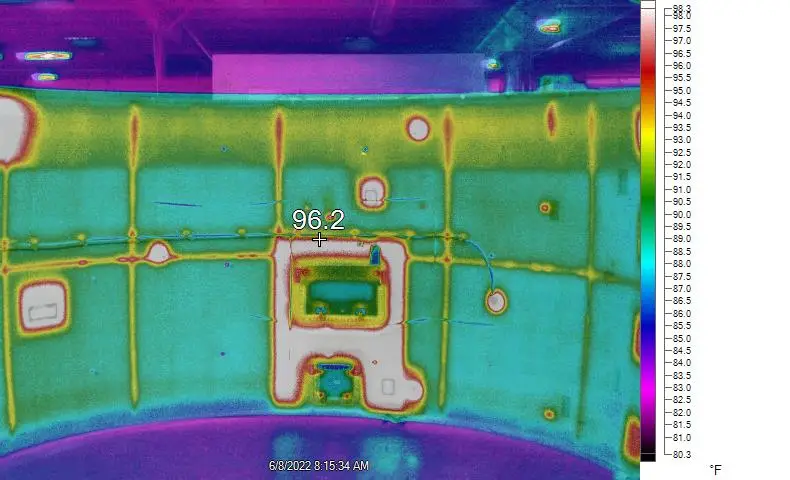
Thermography is a non-destructive testing method that utilizes infrared imaging to detect heat patterns and temperature variations in aircraft components. This technology is crucial for identifying potential defects that could compromise the safety and reliability of aerospace structures.
By employing thermography, aerospace companies can conduct thorough inspections of critical components such as engines, fuselages, and avionics systems. This proactive approach not only enhances safety but also helps in reducing maintenance costs by addressing issues before they escalate into serious failures.
Benefits of Advanced Thermography for Aircraft Safety
Advanced thermography offers numerous benefits that significantly enhance aircraft safety. By providing real-time data on the thermal performance of components, this technology allows for early detection of anomalies that could lead to catastrophic failures if left unchecked.
For instance, airlines using Baron NDT’s thermography services can monitor the health of their fleets more effectively. This leads to improved operational efficiency, reduced downtime, and ultimately, a safer flying experience for passengers and crew alike.
Case Studies: Successful Thermography Applications
Numerous aerospace leaders, including Boeing and Airbus, have successfully integrated thermography into their maintenance protocols. These case studies highlight how thermography has been instrumental in identifying hidden defects and ensuring the structural integrity of aircraft.
For example, a recent case involving a major airline revealed critical overheating in engine components, which was detected through thermographic inspections. This timely intervention prevented a potentially dangerous situation and underscored the importance of adopting advanced thermography in routine checks.
How to Implement Thermography in Your Aerospace Operations
Implementing thermography in aerospace operations requires careful planning and training to ensure that staff are equipped with the necessary skills and knowledge. Organizations should start by assessing their current inspection processes and identifying areas where thermography can add value.
Training programs, such as those offered by Baron NDT, can help teams understand the technology and its applications. By integrating thermography into their maintenance routines, aerospace companies can achieve greater accuracy in inspections and enhance overall safety standards.
Understanding Thermography in Aerospace Inspections
Thermography is a non-destructive testing method that utilizes infrared imaging to detect heat patterns and temperature variations in aircraft components. This technology is crucial for identifying potential defects that could compromise the safety and reliability of aerospace structures.
By employing thermography, aerospace companies can conduct thorough inspections of critical components such as engines, fuselages, and avionics systems. This proactive approach not only enhances safety but also helps in reducing maintenance costs by addressing issues before they escalate into serious failures.
Benefits of Advanced Thermography for Aircraft Safety
Advanced thermography offers numerous benefits that significantly enhance aircraft safety. By providing real-time data on the thermal performance of components, this technology allows for early detection of anomalies that could lead to catastrophic failures if left unchecked.
For instance, airlines using Baron NDT’s thermography services can monitor the health of their fleets more effectively. This leads to improved operational efficiency, reduced downtime, and ultimately, a safer flying experience for passengers and crew alike.
Case Studies: Successful Thermography Applications
Numerous aerospace leaders, including Boeing and Airbus, have successfully integrated thermography into their maintenance protocols. These case studies highlight how thermography has been instrumental in identifying hidden defects and ensuring the structural integrity of aircraft.
For example, a recent case involving a major airline revealed critical overheating in engine components, which was detected through thermographic inspections. This timely intervention prevented a potentially dangerous situation and underscored the importance of adopting advanced thermography in routine checks.
How to Implement Thermography in Your Aerospace Operations
Implementing thermography in aerospace operations requires careful planning and training to ensure that staff are equipped with the necessary skills and knowledge. Organizations should start by assessing their current inspection processes and identifying areas where thermography can add value.
Training programs, such as those offered by Baron NDT, can help teams understand the technology and its applications. By integrating thermography into their maintenance routines, aerospace companies can achieve greater accuracy in inspections and enhance overall safety standards.